
MKOMAZI NATIONAL PARK
Bordering Kenya’s Tsavo West National Park in northeastern Tanzania, Mkomazi which was commissioned as a Game Reserve in 1951 has been gazetted a National Park from 2008. Located to the east of Pare Mountains near Same town, about 190kms from Arusha, Mkomazi National Park lies along the edge of a semi-arid savanna arc that stretches into Kenya’s Tsavo West, falling into the Mkomazi-Tsavo Ecosystem, which is the second largest trans-boundry ecosystem in East Africa after the famous Serengeti – Maasai Mara. Before coming under TANAPA
authority, Mkomazi, with an area of 3,245sq km, was managed by the government as a game reserve. As a national park, Mkomazi have the potential to develop into a glorious sanctuary where visitors will have the opportunity to explore more of the Tanzania’s hidden natural treasures.
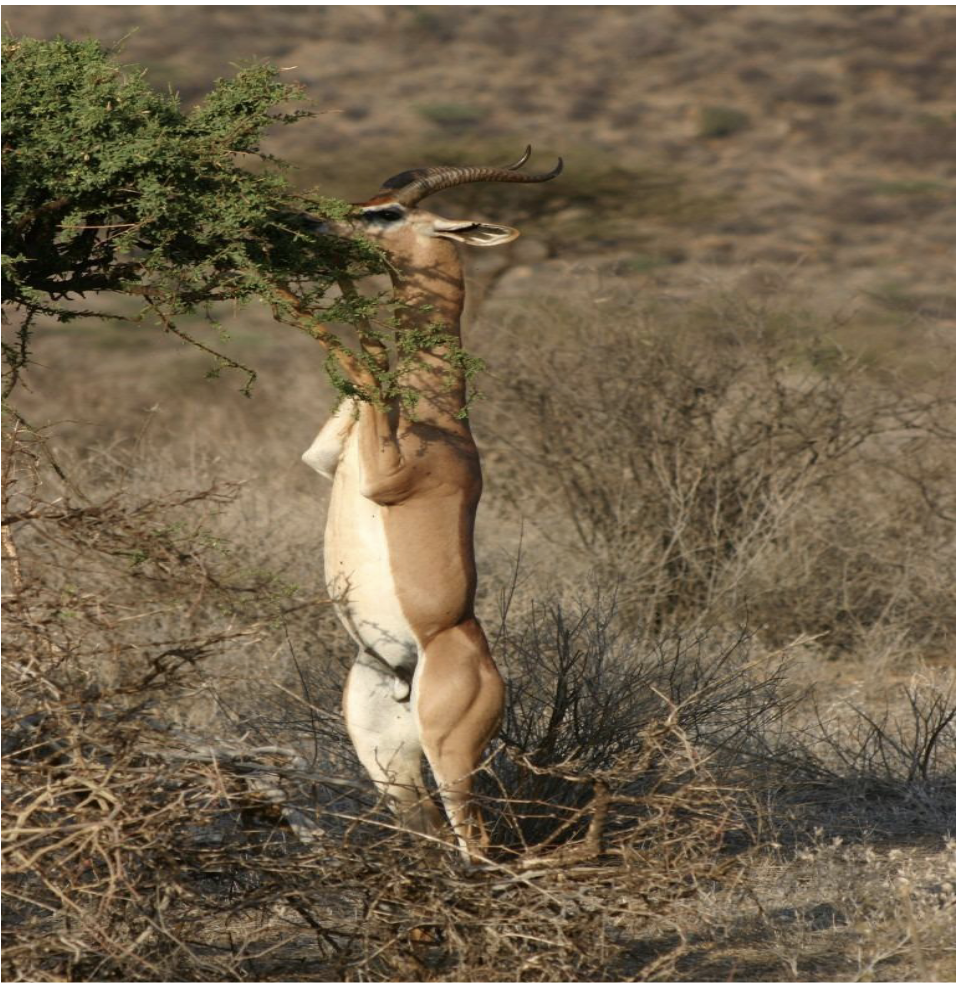
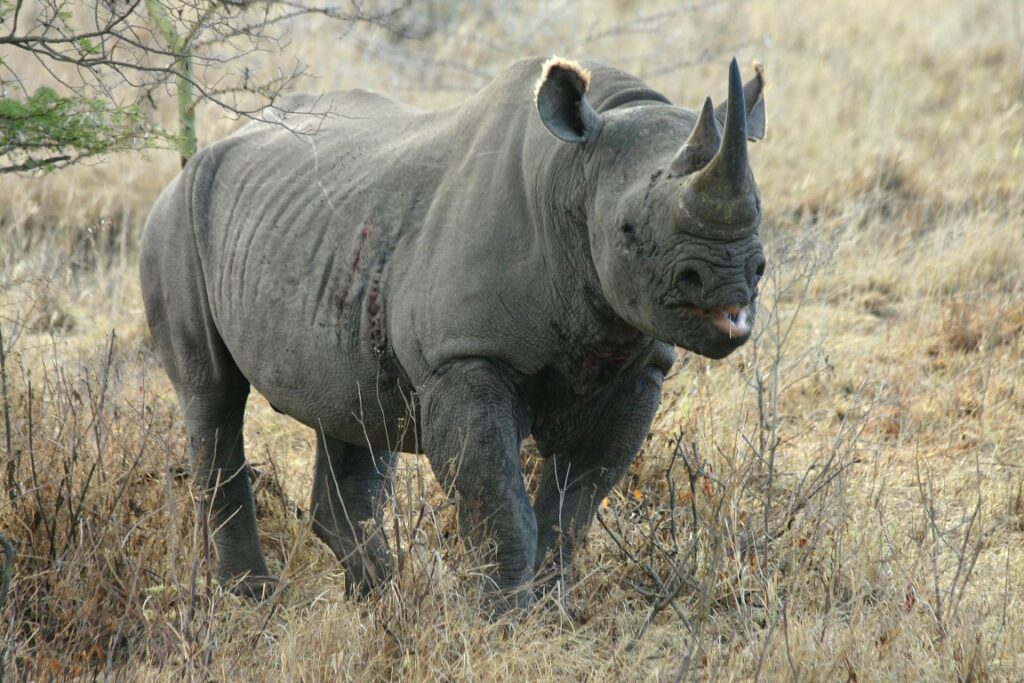
Umba River on Mkomazi’s south eastern border and other water holes keep the park teeming with small and large mammals, including silver backed jackal, lion, cheetah, leopard, giraffe, buffalo, elephant and zebra, with the rare gerenuk, lesser kudu and fringe-eared oryx easily sighted. There is a sanctuary for the endangered black rhino and another one for the wild dog created within the national park to protect these rare species. The Mkomazi Rhino Sanctuary has attained international renown for rehabilitating rhino, and it offers viewing and educational
opportunities for visitors. Mkomazi is a fascinating destination for bird watchers, boasting more than 450 avian species including some Eurasian migratory species.
Quite a few activities can be conducted in Mkomazi, including game drives, walking safaris, mountain hikes and bird watching. Mkomazi can be visited throughout the year, with late June to early September best for large mammal and bird watching, Mkomazi National Park would smoothly fit into the Arusha – Usambara – Tanga – Pangani – Saadani – Dar es Salaam / Zanzibar circuit, or may be visited as a single destination from Arusha or after Kilimanjaro
climbing.
NDUTU
Ndutu is located in the Ngorongoro Conservation Area, in the southeastern plains of the Serengeti ecosystem. The plains around Ndutu are the main holding ground for migratory animals where vast herds congregate and linger for more than four months, from December to April, before they start moving across the Serengeti in search of greener pastures and water. Ndutu area forms an important part of the Serengeti ecosystem, in particular the short grass
plains which provide calving grounds for wildebeest and other migratory animals.
SERENGETI NATIONAL PARK
Serengeti National Park is a World Heritage Site and UNESCO Biosphere Reserve.
Lying between Maasai Mara Reserve in Kenya to the north, Ngorongoro Conservation Area to the south-east and extending close to less than 10kms of the shores of Lake Victoria to the west, Serengeti is the third largest National Park in Tanzania covering an area of 14,763sqkm; only Nyerere and Ruaha National Parks in southern Tanzania are bigger with 30,000 and 20,380 square kilometers respectively.
Aptly named endless plains, Sirin get in Maasai, you immediately experience this vastness as you enter the southeastern plains of the park from Ngorongoro highlands. Declared a protected area in 1921 and gazette as a national park in 1951, Serengeti is the oldest National Park in Tanzania and undoubtedly one of the most famous wildlife reserves in the world.
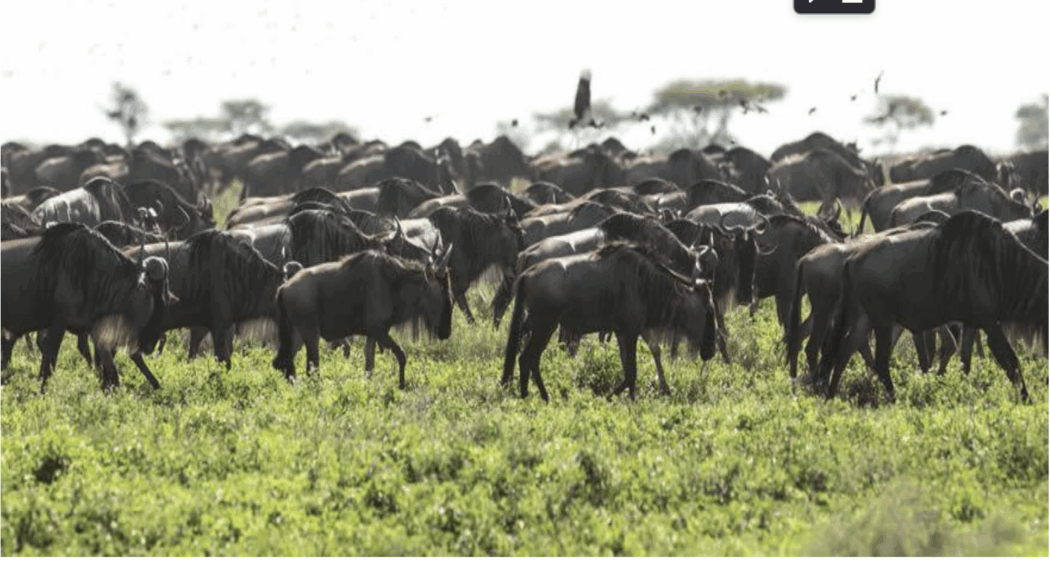
According to the Tanzania National Parks website, Serengeti is home to the world’s largest populations of Wildebeest, Zebra, Cape Eland, Lion, Cheetah, Hyena and Gazelles. Serengeti National Park is also home to the world’s last remaining large mammal migration, the Great Serengeti Migration, which is one of the Seven Natural Wonders of Africa.
The Serengeti Migration
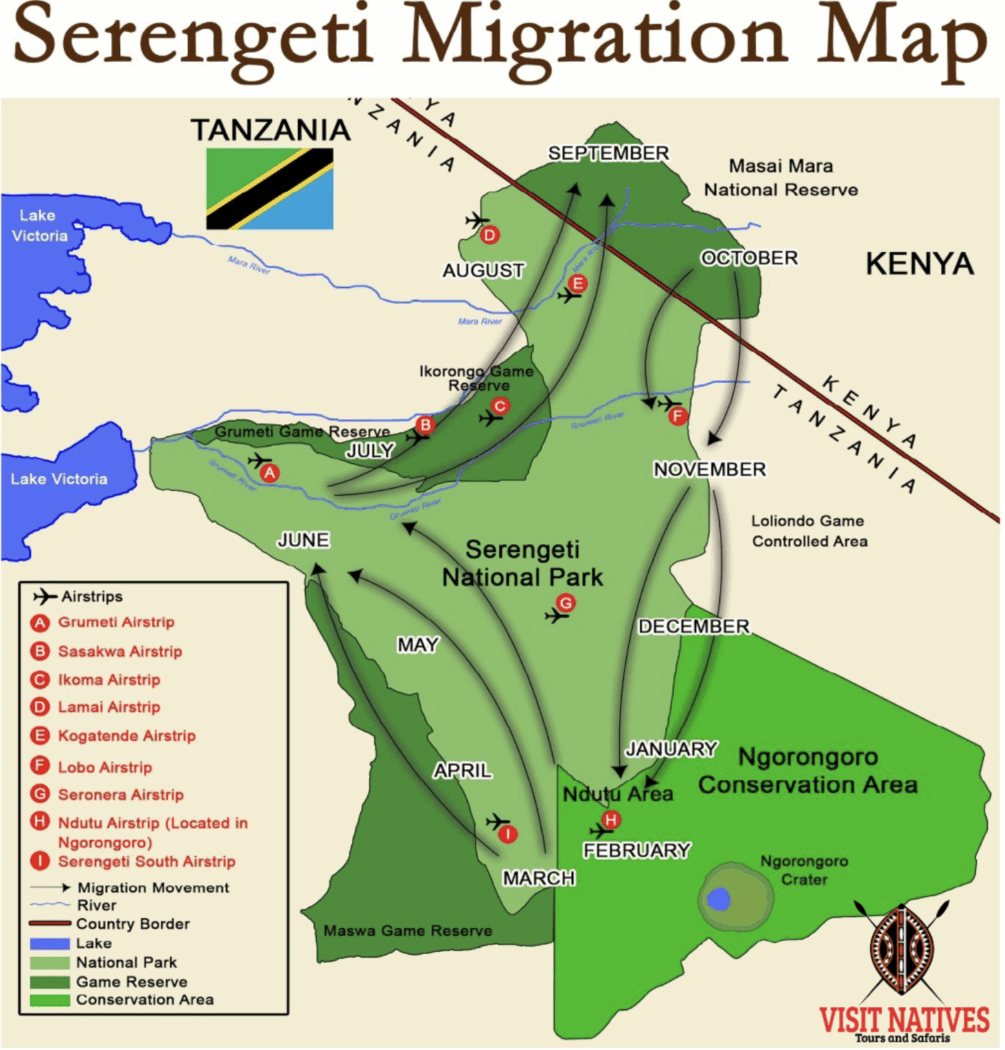
The endless movement of wildebeest and other migratory animals in the Serengeti ecosystem is dictated by rainfall and availability of water and fresh pastures. The migration follows the same clockwise pattern every year with slight variations depending on the weather.
According to the official Serengeti National Park guide book, the main wildebeest migratory population ranges a region of 25,000sqkm, in the Serengeti ecosystem, of which about two thirds is protected in the Serengeti National Park, Ngorongoro Conservation Area and the Kenya Maasai Mara National Reserve, the rest lying in the adjacent areas bordering the Serengeti including Loliondo Game Controlled Area to the northeast, Maswa Game Reserve to the
southwest, and Grumeti Game Reserve and Ikorongo Game Reserve to the northwest, all located in Tanzania. The migration normally stays in Tanzania for at least 9 months, from November to August. Serengeti National Park encompasses the main part of the Serengeti ecosystem.
From December through to April every year, depending on the onset of the short and long rains, the southeastern Serengeti plains and the open woodlands around Lakes Ndutu and Masek are transformed into a busy holding ground for vast herds of migratory animals, in the main the wildebeest, breeding and re-grouping in their hundreds of thousands. Ndutu, which is geographically within the Ngorongoro Conservation Area, forms an important part of the
Serengeti ecosystem, especially the open short grass plains which provide calving grounds for the wildebeest in February and March every year.
Ndutu and the surrounding plains is the only place in the Serengeti ecosystem where migratory animals mainly wildebeest and zebras roam for more than 5 months, attracting a large predator population including lions, cheetah, hyenas, and jackals. “This is their home pastureland, the only place of any protracted residence” wrote David Martin in his Ngorongoro guide book.
The long rains, which start in March and continue on to the end of May, create a perfect habitat for the migratory animals to continue roaming in the Serengeti plains before they start fanning out into areas where there is permanent water and pastures. According to the Serengeti National Park guide book, “the most impressive and probably the most reliable migratory event is the mass movement off the Serengeti plains that occurs at the beginning of the long dry season, typically May and June. Lines and columns of wildebeest up to 40 km long have been observed
(from the air) heading southwest, north or west as the wildebeest trek to the woodland zone”.
The migration lingers in the Western Corridor towards Lake Victoria area from May to July, before moving out to the north and north east in search of fresh pasture and water. The Grumeti riverine system in western Serengeti forms an early dry season migration route and critical catchment area for the migratory animals. The habitat supports a high density of resident ungulates which provide year-round game viewing opportunities.
While Lobo area and some parts of northern Serengeti along Mara River remain rich in wildlife during the dry months due to availability of permanent water, most migratory animals move into Masai Mara National Reserve in Kenya by September. The migratory animals stay hardly three months in Masai Mara, before streaming back into northern Tanzania and the Serengeti ecosystem in November.
While the Serengeti offers excellent game viewing throughout the year, the Great Migration phenomenon adds a special dimension to the National Park.