
Nyerere National Park is the northeastern part of the huge Selous Game Reserve set aside for photographic safaris, which was upgraded to the national park status in November 2019. The park was named after the first president of Tanzania, Mr. Julius Nyerere (late), in recognition for championing conservation and protection of wildlife in the country. Nyerere National Park, is one of the most beautiful and game-rich areas in the ecosystem of Selous Game Reserve, spanning the Rufiji River basin in southeastern Tanzania.
With an area of about 30,893sqkm, Nyerere National Park is the largest national park in Africa. It is perhaps one of the most pristine wildernesses still remaining in Africa, with a wide variety of wildlife habitats, including open grasslands, Miombo woodlands, swamps and riverine forests in the many tributaries of the mighty Rufiji River which flows through the National Park to the Indian Ocean.
Its wildlife is spectacular, with some of the largest population of mammals and reptiles in Africa, including buffaloes, elephants, hippos and crocodiles which can be seen here. Nyerere National Park, together with the remaining part of Selous Game Reserve, is considered to be the last stronghold of the African wild dog. Other common wildlife includes the wildebeest, zebra, giraffe, eland, the greater kudu, sable antelopes, black rhino, waterbuck, impala, lion, leopard,
the spotted hyena, cheetah, baboon, vervet and blue monkey, and the black and white colobus monkey which can be viewed in riverine forests. About 440 species of birds both resident and migratory have been observed in the national park.
Nyerere National Park is located in south eastern Tanzania, bordered by Mikumi National Park to the northwest and Udzungwa Mountains National Park to the west.
The park offers a wide variety of game viewing opportunities including the thrilling experience of a walking safari in the company of an armed ranger. The many waterways in the park provide an excellent natural setting for boat safaris, both for big game viewing and bird watching. This is in addition to the game drives in specially designed safari vehicles which, combined with boat and walking safaris, offer an exciting and rich game viewing itinerary unique to Nyerere National Park. The best time to visit is from June to October. During the long rains, between March and May, some parts of the park are temporarily closed for game drives due to poor accessibility.
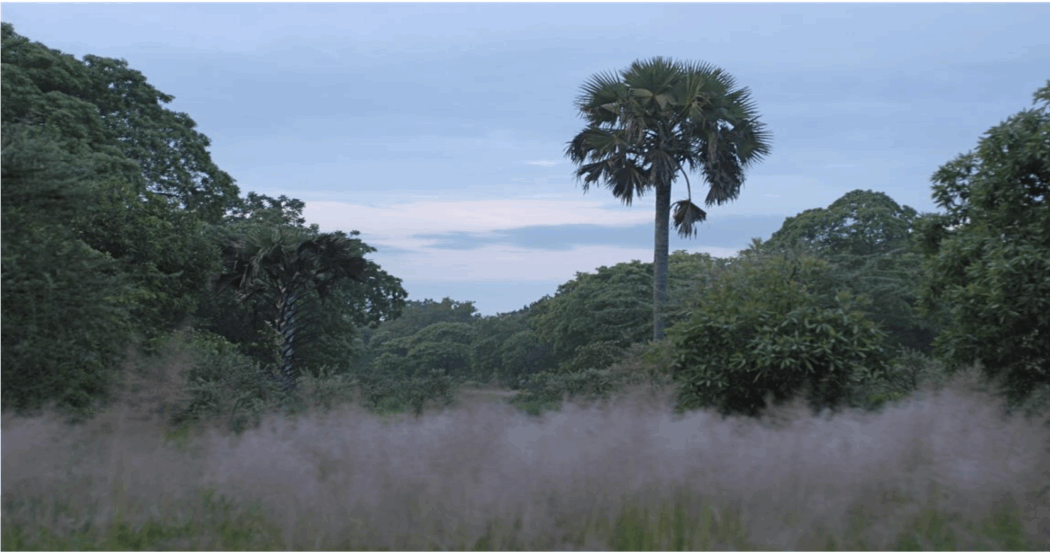
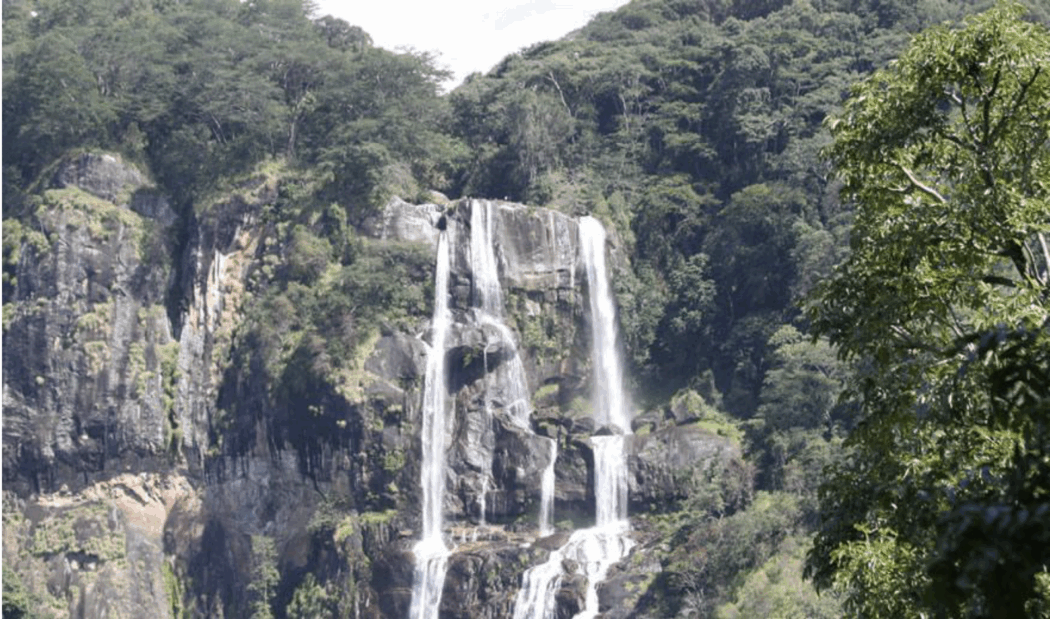
Harboring one of East Africa’s great forests, Udzungwa Mountain National Park has an area of 1990 sq km, bordered by the Great Ruaha River to the north, with Mikumi National Park and Selous Game Reserve located further to the north and east. Protected as a national forest reserve until 1992 when it was commissioned as National Park, Udzungwa Mountains is undoubtedly one of the few true virgin and unique forested lands remaining in the world. The major attractions include its biologically diverse forest, harboring some plant species found nowhere else in the world, from a tiny African violet to 30-metre-high trees.
Apart from the forest, which acts as a water catchment area and having a large number of endemic species of both animals and plants, the park has spectacular mountains scenery, grasslands, rocks, rivers and waterfalls. One of the most interesting sights is the presence of two indigenous species of primates, the Iringa red colobus monkey and the Sanje Crested Mangabey, not known until 1979. Apart from providing habitat to about six species of primates, its plateau contains populations of elephants, buffalos, lions, leopards, African hunting dogs and several forest bird species.
Walking safaris to the Sanje River waterfalls (170 meters) is one of the popular activities in this park. Udzungwa Mountains can conveniently be combined with game drives in nearby Mikumi National Park, an hour’s drive to the north, or be included in the Ruaha National Park (4-5 hours’ drive) and Selous Game Reserve itineraries. The park can be visited throughout the year although it is a bit slippery during the wet rainy season. The dry season extends from June to October.